


Electrocardiogram (ECG) stress testing is a critical diagnostic tool for evaluating cardiac function under physical exertion. Whether you are managing a hospital cardiology department, a specialized cardiac clinic, or a sports medicine center, selecting the right exercise ECG system directly impacts diagnostic accuracy and patient safety.
With numerous options available, understanding the technical specifications and key features of a stress ECG system is essential. This guide will help you make an informed decision, using the CV1200+ exercise ECG system as a reference example based on its actual specifications.
1. What Is an Exercise ECG System?
An exercise ECG system, also known as a cardiac stress testing system, is used to monitor the heart’s electrical activity while a patient performs physical exercise such as walking on a treadmill or cycling on an ergometer. The test helps detect coronary artery disease, arrhythmias, and other cardiac conditions that may not appear at rest.
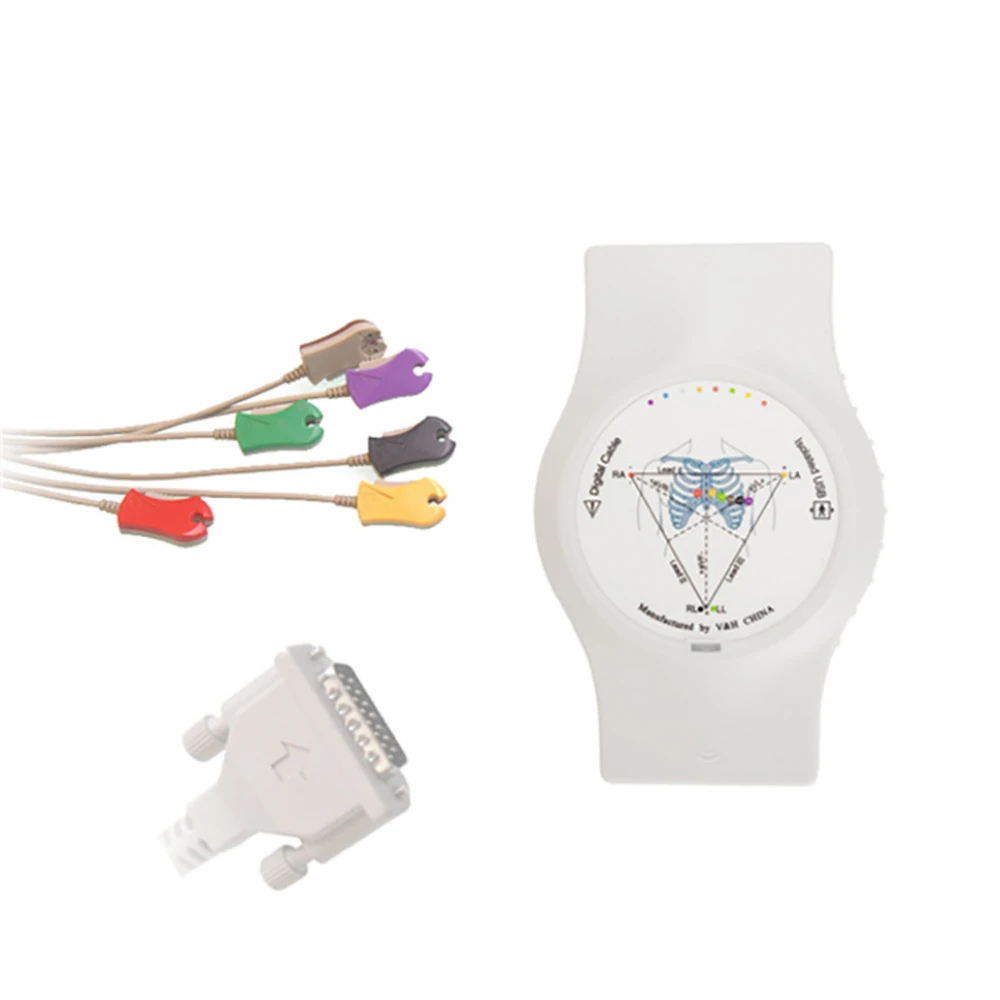
A complete stress ECG system includes an ECG recorder, analysis software, patient cables, electrodes, and often integrates with a blood pressure monitor, treadmill, or ergometer. Among different types of recorders, the Phenotype recorder and Fan-type recorder are two common configurations, each with distinct characteristics.
2. Why Hospitals Need Reliable Stress ECG Systems
Hospitals and cardiology clinics require stress Ecg machine that deliver consistent, noise-free readings under demanding conditions. During stress testing, patient movement, sweat, and muscle artifacts can interfere with signal quality. An unreliable system may produce false positives or miss critical abnormalities.
A reliable system ensures:
- Accurate ST-segment analysis
- Stable baseline during steep grades
- Continuous 12-lead monitoring
- Fast and secure data transfer
- Compliance with international safety standards
For high-volume clinical environments, reliability directly translates to workflow efficiency and patient outcomes.
3. Key Features That Make the CV1200+ Exercise ECG System Stand Out
The CV1200+ is a newly developed, high-performance cardiac stress system that incorporates the latest innovations with an easy-to-use workflow and intuitive icons and controls, as expected from the CardioView series. Below are its key features based on actual product specifications.
3.1 12-Lead Simultaneous ECG Acquisition
The CV1200+ supports 12-lead simultaneous ECG acquisition, allowing clinicians to monitor all cardiac views in real time during stress testing. This capability is essential for detecting ischemia, conduction abnormalities, and arrhythmias as they occur.
3.2 High Sampling Rate (1000Hz/ch) and Signal Accuracy
With a sampling rate of 1000Hz per channel, the CV1200+ captures detailed ECG waveforms without missing transient events. The frequency response ranges from 0.05 to 70Hz (+3dB), ensuring accurate reproduction of low-frequency ST-segment changes and high-frequency components. The common mode rejection ratio (CMR) exceeds 90dB, effectively eliminating interference from power lines and muscle noise.
3.3 Automatic ECG Measurement and Interpretation
The CV1200+ includes automatic ECG measurements and interpretation as a standard software feature. Optional advanced analysis modules are also available, including Vector Cardiograph (VCG), Ventricular Late Potentials (VLP), and QT Dispersion. These tools support cardiologists in making more precise diagnoses.
3.4 Isolated USB Connectivity and Digital Integration
The device features an isolated USB connection, which provides digital isolation of 4000V and current leakage below 10μA. This ensures patient safety while enabling fast, reliable data transfer to a connected computer. The isolated USB design is particularly important for stress testing environments where electrical safety is paramount.
3.5 Windows-Based System with NIBP, Treadmill & Ergometer Compatibility
The CV1200+ runs on Microsoft Windows XP or Windows 7, making it compatible with existing hospital IT infrastructure. It integrates seamlessly with ergometers, treadmills, and non-invasive blood pressure (NIBP) monitors. This flexibility allows clinics to use their preferred exercise equipment without expensive upgrades.
3.6 Noise-Free ECG Tracings Even at Steep Grades
Thanks to its elaborately designed ECG acquisition device and proprietary digital processing algorithms, the CV1200+ is specially featured in its super-stable and noise-free ECG tracings even at steep grades. This is a critical advantage for stress tests that require high treadmill inclines or high-resistance ergometer settings.
3.7 Optional Advanced Features
The CV1200+ offers several optional software modules:
- Automatic ECG measurements and interpretation
- Vector Cardiograph (VCG)
- Ventricular Late Potentials (VLP)
- QT Dispersion analysis
These options allow cardiology departments to expand diagnostic capabilities as clinical needs grow.
3.8 User-Friendly Software Interface with One-Key Operation
The system features one-key operation for simplified workflow. The software supports multi-form printing and includes pacemaker analysis capabilities. The operator interface uses a standard alphanumeric PC keyboard and mouse, reducing the learning curve for clinical staff.
4. Phenotype Recorder vs Fan-Type Recorder: What’s the Difference?
In the stress ECG system, there are two types of ECG recorders: the Fan-type and the Phenotype recorder. Understanding their differences helps clinics choose the right configuration.
The Phenotype recorder is designed for applications requiring higher signal fidelity and more stable performance during prolonged stress tests. While both recorders meet basic clinical requirements, the Phenotype recorder is typically preferred for:
- Research institutions conducting detailed waveform analysis
- Hospitals with high daily stress test volumes
- Settings where steep treadmill grades are routinely used
The Fan-type recorder, on the other hand, is more commonly used in general practice where portability and basic functionality are sufficient.
5. Applications of Exercise ECG Systems
5.1 Hospitals and Cardiology Departments
Hospitals use exercise ECG systems for routine cardiac stress testing, as well as for preoperative evaluations and post-intervention follow-ups.
5.2 Cardiac Stress Testing Centers
Dedicated stress testing centers require high-throughput systems with automated interpretation and efficient data management.
5.3 Clinical Research Institutions
Research settings benefit from optional features like VCG, VLP, and QT dispersion for studying cardiac electrophysiology.
5.4 Sports Medicine and Rehabilitation Centers
These centers use stress ECG systems to assess athletic heart adaptation and guide safe exercise prescription.
5.5 Medical Universities and Training Laboratories
Educational institutions use stress ECG systems to train medical students and residents in cardiac diagnostics.
6. Factors to Consider Before Purchasing an Exercise ECG System
6.1 Clinical Requirements
Determine whether you need basic stress testing or advanced features like pacemaker analysis, VCG, or VLP. The CV1200+ offers both standard and optional modules.
6.2 Software Compatibility
Ensure the system runs on your existing operating system. The CV1200+ supports Windows XP and Windows 7, which are still widely used in medical environments.
6.3 System Expandability
Choose a system that allows future upgrades. The CV1200+ supports optional VCG, VLP, and QT Dispersion, so you can start with basic functions and add more later.
6.4 Technical Support and After-Sales Service
Verify that the manufacturer provides training, calibration, and repair services. The CV1200+ comes with CE, ISO13485, and Free Sales certification, indicating regulatory compliance.
6.5 Regulatory Certification
Pay attention to certifications such as CE and ISO. These demonstrate that the equipment complies with international safety and quality standards.
7. Frequently Asked Questions (FAQ)
Q1. Is the CV1200+ compatible with Windows 7?
A: Yes, the CV1200+ operates on Microsoft Windows XP and Windows 7.
Q2. What is the sampling rate of the CV1200+?
A: The sampling rate is 1000Hz per channel.
Q3. Does the Phenotype recorder support isolated USB?
A: Yes, the CV1200+ features isolated USB connectivity with 4000V isolation and leakage current below 10μA.
Q4. What optional software modules are available?
A: Optional modules include automatic ECG interpretation, Vector Cardiograph (VCG), Ventricular Late Potentials (VLP), and QT Dispersion.
Q5. What certifications does the CV1200+ hold?
A: The system is CE and ISO13485 certified and qualifies for Free Sales certification.
Q6. Can the CV1200+ connect to any treadmill or ergometer?
A: The CV1200+ is compatible with standard ergometers, treadmills, and NIBP monitors.
Q7. How stable is the ECG signal during steep grades?
A: The CV1200+ delivers super-stable and noise-free ECG tracings even at steep grades, thanks to its proprietary digital processing algorithms.
8. Conclusion
Choosing a reliable exercise ECG machine requires careful evaluation of technical specifications, software features, and clinical compatibility. The CV1200+ offers a compelling combination of 12-lead simultaneous acquisition, 1000Hz sampling, isolated USB connectivity, Windows-based operation, and noise-free performance under demanding stress conditions. For procurement decisions, always verify regulatory certifications, after-sales support, and system expandability to protect your investment over the long term. If you are interested in our products, please feel free to contact us for a quotation.
Post time: May 29, 2026


